Social media has become one of the first places consumers share their experiences with supplements and vitamins. A customer may leave a Facebook comment about feeling unwell after taking a product, send a direct message describing unexpected side effects, or post a review mentioning a hospital visit. For Regulatory Affairs and Quality Assurance teams, these posts are more than customer feedback—they may represent potential adverse events that require prompt Adverse Event Reporting and, where appropriate, submission to the U.S. Food and Drug Administration (FDA).
The challenge is that adverse events are often buried within thousands of comments, direct messages, reviews and influencer conversations. Missing one could expose your business to regulatory risk and delayed reporting obligations.
This guide explains what qualifies as a potential adverse event on social media and provides a practical checklist for maintaining FDA compliance.
Why Social Media Matters for FDA Compliance
Consumers no longer rely solely on customer service channels to report problems. Instead, they often post publicly or contact brands through:
- Facebook comments
- Instagram posts and direct messages
- TikTok comments
- X (formerly Twitter)
- Reddit discussions
- YouTube comments
- Brand communities
- Product review websites
Each of these channels may contain information that your organisation is expected to review as part of its pharmacovigilance or product safety processes.
Without effective monitoring, important reports can easily be overlooked.
What Is Considered a Potential Adverse Event?
An adverse event is any undesirable medical occurrence associated with the use of a product.
For dietary supplements and vitamins, this might include:
- Allergic reactions
- Difficulty breathing
- Skin rashes
- Severe stomach pain
- Vomiting
- Dizziness
- Heart palpitations
- Hospitalisation
- Serious injury
- Death
Not every negative comment qualifies as an adverse event.
For example:
Not usually reportable
- “I don’t like the taste.”
- “Delivery was slow.”
- “The capsules are too large.”
Potential adverse event
- “After taking these gummies I developed a severe rash.”
- “This supplement made me dizzy for several hours.”
- “I ended up in hospital after using this product.”
The context and available information determine whether further investigation is required.
Can Direct Messages Be Reportable?
Yes.
Many organisations focus only on public comments while overlooking private conversations.
Potential adverse events may appear in:
- Instagram DMs
- Facebook Messenger
- Website live chat
- WhatsApp Business
- Customer support inboxes
- Contact forms
Private communications should be included within your monitoring programme because they may contain reportable safety information.
The Four Essential Elements of a Reportable Case
Regulatory teams generally assess whether sufficient information exists to establish a valid safety case. While specific requirements depend on the applicable regulations and internal procedures, reports are commonly evaluated for the presence of four core elements:
1. An Identifiable Patient
Examples include:
- First name
- Initials
- Username
- Social media handle
Example:
“My son developed hives after taking your product.”
2. An Identifiable Reporter
Someone who submitted the information.
Examples include:
- Consumer
- Healthcare professional
- Family member
- Caregiver
3. A Suspect Product
The product must be identifiable.
For example:
- Brand name
- Product line
- Supplement name
4. An Adverse Event
A medical problem or unexpected reaction associated with product use.
Example:
“After taking Product X I experienced severe chest pain.”
If one or more elements are missing, follow-up may be needed to obtain additional information where possible.
FDA Adverse Event Reporting Checklist
Regulatory Affairs and QA teams should establish a consistent workflow for evaluating every potential report.
Step 1: Monitor All Relevant Digital Channels
Include:
- Social media platforms
- Reviews
- Forums
- Customer support
- Live chat
Continuous monitoring reduces the likelihood of missing reportable events.
Step 2: Detect Potential Safety Signals
Look for phrases such as:
- Made me ill
- Caused dizziness
- Allergic reaction
- Hospital
- Emergency room
- Side effects
- Vomiting
- Swelling
- Heart racing
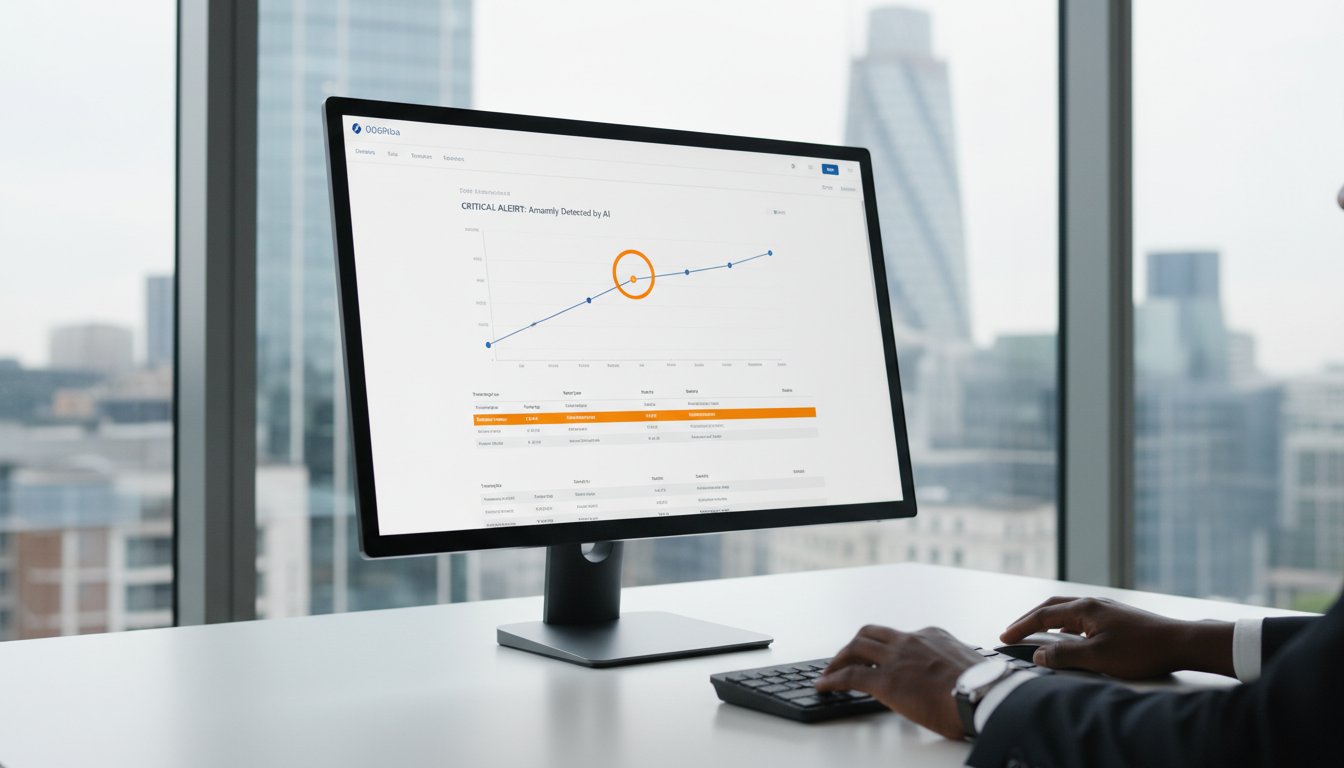
AI-assisted monitoring can identify these signals automatically, even when wording varies.
Step 3: Capture the Original Content
Retain evidence including:
- Screenshots
- Date and time
- Platform
- Username
- Product mentioned
- Link to the original post
Documentation supports internal investigations and regulatory audits.
Step 4: Perform Initial Triage
Determine:
- Does this describe a medical event?
- Is your product involved?
- Are the four reporting elements available?
- Is follow-up required?
Escalate uncertain cases rather than dismissing them.
Step 5: Follow Up Where Appropriate
Where possible, contact the individual to request additional information, such as:
- Age
- Medical history
- Product batch
- Dosage
- Outcome
- Healthcare treatment received
Follow-up can improve the quality of the safety record.
Step 6: Escalate Internally
Notify the relevant teams, including:
- Pharmacovigilance
- Regulatory Affairs
- Quality Assurance
- Medical Safety
Consistent internal communication helps ensure timely assessment.
Step 7: Submit Required Reports
Where an event meets applicable reporting requirements, ensure submissions are completed within the relevant regulatory timelines and documented according to your internal procedures.
Step 8: Maintain Complete Records
Store:
- Original post
- Internal assessment
- Follow-up communications
- Investigation outcome
- Reporting decisions
- Audit trail
Good documentation demonstrates a robust compliance process.
Common Social Media Monitoring Challenges
Many supplement brands still rely on manual monitoring, which creates several problems:
- Thousands of daily comments
- Multiple social media platforms
- Different languages
- Slang and abbreviations
- Misspelled product names
- Duplicate reports
- Limited compliance resources
These challenges make manual review both time-consuming and susceptible to human error.
How Adverse Event Reporting Software Improves Compliance
Modern adverse event reporting software helps Regulatory Affairs teams detect, assess and manage potential safety reports more efficiently.
Key capabilities include:
- Continuous monitoring across social media platforms
- AI-powered detection of potential adverse events
- Automated case identification
- Centralised review workflows
- Audit-ready documentation
- Faster escalation to safety teams
- Reduced manual screening effort
Instead of reviewing every comment individually, compliance teams can focus on validating cases that require expert assessment.
Supporting MOCRA Compliance Alongside Supplement Monitoring
Many organisations manage both dietary supplements and cosmetic products.
In these situations, using integrated MOCRA compliance software alongside adverse event monitoring provides a more consistent approach to regulatory oversight.
Benefits include:
- Unified safety monitoring
- Shared compliance workflows
- Faster case management
- Better documentation
- Improved audit readiness
- Consistent regulatory reporting across product portfolios
A single compliance platform can reduce operational complexity while supporting multiple regulatory frameworks.
Best Practices for Regulatory Affairs Teams
To strengthen your compliance programme:
- Monitor both public and private social media channels.
- Train customer service teams to recognise potential adverse events.
- Use standard operating procedures (SOPs) for triage.
- Document every safety assessment.
- Escalate uncertain cases for expert review.
- Regularly audit monitoring processes.
- Implement AI-assisted detection to improve coverage and consistency.
Conclusion
Social media has become a critical source of product safety information for supplement and VMS brands. Every public comment, review or direct message could contain details that require regulatory assessment.
By following a structured triage process, maintaining complete documentation and using intelligent adverse event reporting software, Regulatory Affairs and Quality Assurance teams can improve efficiency while reducing compliance risks.
For organisations managing both supplements and cosmetics, integrating MOCRA compliance software with adverse event monitoring provides greater visibility, stronger governance and a more streamlined approach to regulatory compliance.
Early detection, accurate assessment and timely reporting remain the foundations of an effective product safety programme.