As a founder in the supplement or cosmetic space, you know social media is your direct line to customers. But in a sea of comments, DMs, and mentions, a serious product complaint can easily get lost. This isn’t just a customer service issue—it’s a major compliance risk. Learn how to transform social media complaints from PR risks into regulatory assets while staying compliant with FDA and MoCRA standards.
In today’s digital-first world, handling product feedback online has become a high-stakes legal function. For rapidly scaling US brands, mastering product complaint handling on social media is no longer optional; it’s essential for survival and growth.
Why Social Media Complaints are a Compliance Priority for Supplement & Cosmetic Brands
Every comment, tag, and direct message is a potential data point for federal regulators. The line between a simple bad review and a legally mandated report is thinner than ever, and the responsibility to identify it falls squarely on your brand. Ignoring this reality is not just bad for business—it’s a direct compliance violation.
- Regulatory Intersection: Social media feedback is now officially under the microscope of federal agencies like the FDA.
- MoCRA’s Impact: The Modernization of Cosmetics Regulation Act (MoCRA) has fundamentally changed the game, extending strict reporting requirements to the fast-paced world of social media.
- Adverse Event vs. Bad Review: A customer disliking a flavor is a marketing issue. A customer reporting a rash, allergic reaction, or illness after using your product is a potential “Adverse Event” that requires official documentation and reporting.
- The Failure of Manual Moderation: Manually scrolling through thousands of comments 24/7 is impossible. Critical complaints are inevitably missed, leaving your brand exposed.
FDA and MoCRA: The New Rules for Digital Feedback
The days of treating your social channels as purely marketing platforms are over. Both the FDA and MoCRA mandate that brands have systems in place to receive and process adverse event reports, regardless of where they originate. A comment on a TikTok video now carries the same regulatory weight as a formal email or phone call. (business use of social media)
- Strict Reporting Windows: For serious adverse events, MoCRA requires reporting to the FDA within 15 business days of receiving the information. This clock starts ticking the moment a comment is posted, not when you happen to see it.
- No Excuses: The defense that “I didn’t see the comment” is no longer legally viable. Regulators expect brands to have robust monitoring systems in place.
- For FDA purposes, a social media adverse event is any report of a negative health-related effect associated with the use of your product that is communicated on a digital platform.
The High Cost of Non-Compliance
Failing to properly manage and report product complaints from social media can have devastating consequences. An FDA warning letter is a public document that can shatter consumer trust and jeopardize crucial retail partnerships. The financial penalties and legal risks associated with non-compliance can cripple a growing brand, turning a manageable issue into a full-blown crisis.
The 4-Step Framework for Compliant Product Complaint Handling
To protect your brand, you need a modern, scalable workflow. Moving from chaotic, manual monitoring to a structured, compliant process is critical. This four-step framework provides the clarity and control that founder-led brands need to scale with confidence.
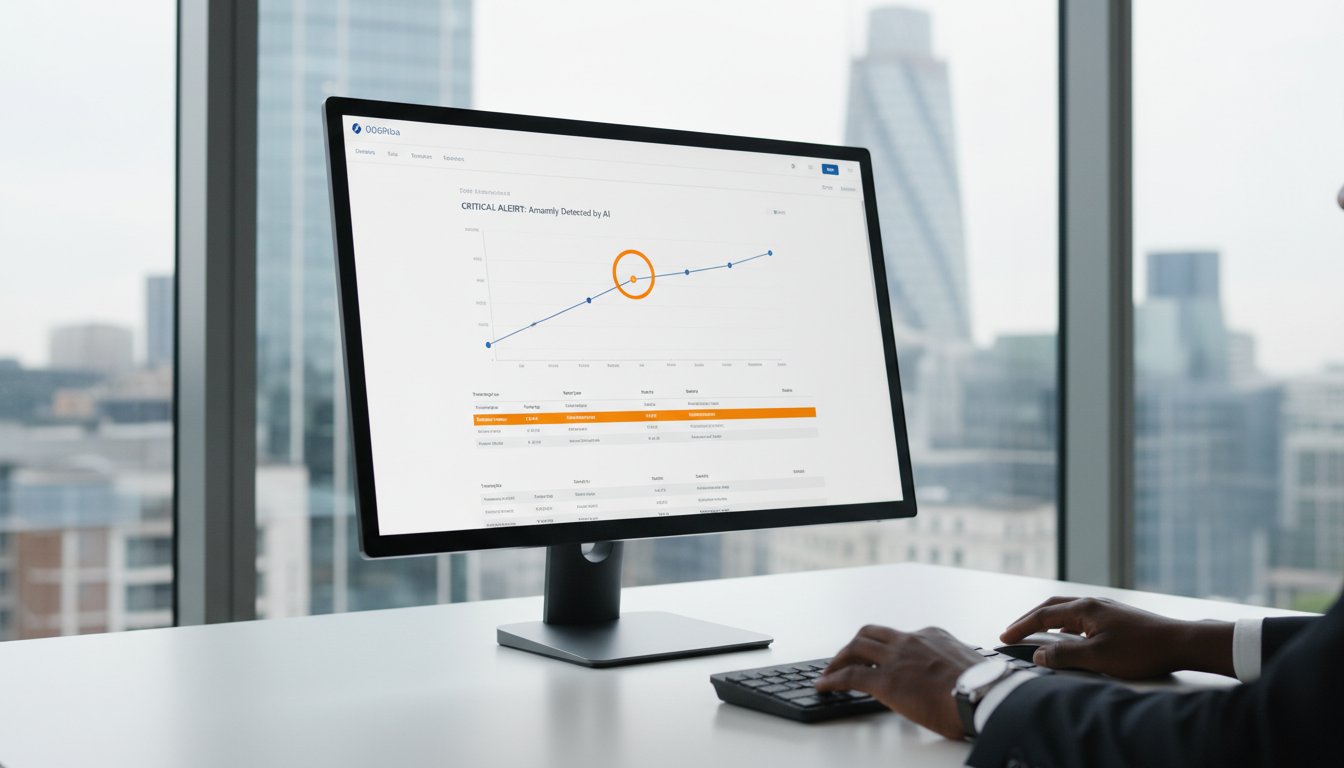
- Real-Time Detection: The first step is to stop manually scrolling and start automatically monitoring. Implement AI-powered tools that scan all your social channels—comments, mentions, and DMs—in real-time to identify potential complaints the moment they appear.
- Triage and Categorization: Not all negative feedback is a regulatory risk. An effective system instantly categorizes comments, distinguishing between logistical issues (e.g., “my shipment is late”), product dissatisfaction (“I don’t like the smell”), and potential health concerns (“this gave me a headache”).
- Regulatory Reporting: Once a potential adverse event is identified, the system should integrate it directly into your pharmacovigilance or compliance workflow. This ensures that every reportable event is captured, documented, and submitted to the FDA within the mandated timeframe.
- Public vs. Private Resolution: Knowing how and where to respond is key. The framework dictates when a simple public reply is appropriate and when the conversation must be moved to a private, secure channel to gather details and protect consumer privacy.
Detecting Risks Before They Escalate
Modern AI goes beyond simple keyword matching. It uses advanced sentiment analysis to understand the context and intent behind a user’s language, identifying “hidden” complaints buried in long comment threads or expressed in slang. By setting up automated alerts for keywords related to health outcomes (e.g., “rash,” “sick,” “allergic,” “headache”), you can flag high-risk comments for immediate review, ensuring nothing slips through the cracks. (Federal Trade Commission social media policy)
Moving Conversations Offline Safely
When a potential adverse event is detected, the goal is to quickly and safely move the conversation to a private channel like email or a secure web form. Use pre-approved, standardized response templates that acknowledge the user’s concern without admitting fault. This approach satisfies both your customer service goals and your legal team’s requirements, allowing you to gather necessary details like product batch information while protecting sensitive consumer health data.
Scaling Your Brand Safely with AI-Powered Content Integrity
For founders focused on growth, manual moderation is a bottleneck that introduces human error and immense risk. The only way to scale safely in 2026 is to transition from a human-led process to high-tech, automated protection. This is about more than just managing complaints; it’s about establishing true content integrity across your digital community.
- Automated Protection: Move beyond the limitations of human moderators who need to sleep and take breaks. An AI-powered system works 24/7 as a tireless guardian for your brand.
- Seamless Integration: A platform like Moderaigent acts as your compliance co-pilot, identifying risks and integrating them directly into your reporting workflow without manual data entry.
- Data Privacy and Integrity: Ensure your entire complaint handling process protects sensitive consumer information and maintains the integrity of your compliance data.
- Actionable Product Insights: Every complaint is a data point. Use aggregated complaint data to spot trends, identify potential issues with a specific batch, and inform future product formulations.
AI as a Stabilizing Force for Founders
The constant fear of missing a critical comment creates enormous anxiety for founders. AI-powered automation cuts through the noise, flagging only what truly needs your attention. By handling the detection and documentation, it frees you to focus on innovation, marketing, and strategy. Automated workflows ensure 100% reporting accuracy, providing the peace of mind that comes from knowing your brand is protected around the clock. (Consumer Review Fairness Act)
Real-Time Insights for Better Products
Your social media comments are an untapped source of R&D data. A sophisticated dashboard can instantly show you if multiple users are reporting the same issue with a product, allowing you to get ahead of a potential problem. By turning negative feedback into structured, data-driven insights, you can make smarter business decisions, improve product quality, and build a more resilient brand.
FAQs about Social Media Complaint Handling
- Do I legally have to report social media comments to the FDA?Yes. If a comment on any of your brand’s social media channels describes a potential “adverse event” related to your supplement or cosmetic product, you are legally required to review and, if it meets the criteria for a serious event, report it to the FDA according to MoCRA and other applicable regulations.
- How does MoCRA affect how I handle Instagram and TikTok comments?MoCRA treats comments on platforms like Instagram and TikTok as official communications. It requires you to have a system for monitoring these channels, identifying adverse event reports, and submitting serious ones to the FDA within 15 business days. It also requires you to maintain records of all health-related complaints for several years.
- Can AI accurately identify adverse events better than a human moderator?Yes, at scale. While a trained human is excellent at understanding nuance in a single conversation, they cannot monitor thousands of comments 24/7 without error or fatigue. AI excels at tirelessly scanning vast amounts of data in real-time, using sentiment analysis and keyword detection to flag potential risks that a human moderator would inevitably miss.
- What kind of social media comments count as an ‘adverse event’?An adverse event is any undesirable experience associated with the use of a product. On social media, this could be a comment like, “This face cream made my skin break out in a painful rash,” or “I felt sick to my stomach after taking this supplement.” It’s distinct from a simple complaint like “This product is too expensive” or “I didn’t like the color.”
Don’t let the fear of compliance slow down your growth. By embracing a modern, automated approach to product complaint handling on social media, you can protect your brand, satisfy regulators, and turn a potential risk into a powerful source of business intelligence.
Protect your brand and community with Moderaigent’s real-time detection platform
- Real-time Adverse Event Detection
- Actionable Product Insights
- Automated Regulatory Reporting