For modern healthcare, wellness, and cosmetic brands, the digital world is a double-edged sword. While social media offers unprecedented access to customers, it also creates a massive, unstructured stream of feedback. Buried within thousands of comments, posts, and messages are potential adverse events (AEs)—critical safety signals that you are legally required to report. Discover the essential technological features required to automate adverse event detection and maintain regulatory compliance across all your digital channels.
Understanding Adverse Event (AE) Detection in the Digital Age
Searching for “AE detection” can be confusing. Many results point to “Acoustic Emission,” an industrial process for monitoring materials like bridges. In healthcare and pharmacovigilance, however, Adverse Event (AE) detection is the process of identifying and reporting any undesirable experience associated with the use of a medical product, supplement, or cosmetic. It’s a cornerstone of post-market surveillance.
- Traditional vs. Modern Monitoring: Traditional pharmacovigilance relied on reports from doctors or patients. Modern monitoring must sift through high-velocity social media data 24/7.
- The Role of AI: Artificial intelligence transforms this process from a reactive, manual task into a proactive, automated system that catches safety signals in real-time.
The High Stakes of Digital Pharmacovigilance
Healthcare, supplement, and cosmetic brands have a clear obligation to monitor their public channels for potential safety issues. The FDA and regulations like the Modernization of Cosmetics Regulation Act (MoCRA) require timely reporting of adverse events. Missing a report doesn’t just risk regulatory fines; it can damage patient safety and erode brand trust. Effective pharmacovigilance is about protecting both your customers and your company. (Pharmacovigilance)
Why Manual Moderation Fails at Scale
Relying on human teams to manually scan social media for AEs is no longer viable. The sheer volume and speed of online conversation create insurmountable challenges.
- The 24/7 Problem: Social media never sleeps, but your moderation team does. An AE reported on a Friday night might not be seen until Monday morning, potentially missing critical reporting deadlines.
- The Noise-to-Signal Ratio: A single reportable AE can be hidden among thousands of spam comments, marketing questions, and irrelevant mentions. Filtering this noise manually is inefficient and prone to error.
- Human Fatigue and Inconsistency: Even the most diligent moderator can make mistakes. Fatigue leads to missed signals and inconsistent application of reporting criteria.
Essential AE Detection Platform Features for Healthcare Brands
To effectively manage digital pharmacovigilance, your technology must be purpose-built for the complexities of healthcare communication. A modern AE detection platform moves beyond simple keyword matching to provide a comprehensive compliance ecosystem. Here are the core features to look for.
- Real-time NLP for Medical Context: The platform must use Natural Language Processing (NLP) trained to understand medical and health-related conversations, including slang and misspellings.
- Automated Spam and Harmful Content Removal: The system should simultaneously identify and remove spam, malicious links, and harmful content, clearing the way for legitimate safety signals to be seen.
- Multi-Platform Integration: Your solution needs to connect seamlessly with all the platforms where your customers are active, including Instagram, Facebook, X (formerly Twitter), and TikTok.
- MedDRA and WHO-ART Terminology Mapping: To ensure standardized and compliant reporting, the platform should automatically map detected events to established medical terminologies like MedDRA.
Advanced AI and Natural Language Processing
The core of any effective AE detection platform is its AI engine. This is what separates true safety monitoring from a basic social listening tool. The AI must be sophisticated enough to understand context and intent, not just keywords.
- Understanding Colloquial Language: A powerful AI can identify a statement like “this cream made my skin feel like it was on fire” as a potential adverse event, even if the user doesn’t use clinical terms.
- Distinguishing Context: The system needs to differentiate between a user reporting a side effect from your product and someone discussing a general health concern unrelated to your brand.
- Continuous Improvement: The best platforms use machine learning loops. Every event reviewed by your team helps train the AI, making its detection more accurate over time.
Integrated Content Integrity Tools
Effective AE detection isn’t just about finding safety signals; it’s also about removing the noise that hides them. A platform with a “Vigilant Guardian” architecture protects your community and your compliance workflow simultaneously.
- Dual-Engine Approach: The system should identify and flag potential AEs for review while automatically removing bot spam and malicious links that clutter your feeds.
- Clear Audit Trails: While harmful content is removed to protect the community, the platform must maintain a clear, unalterable audit trail of every action taken for regulatory review.
- Synergy of Safety: This integrated approach ensures that your efforts to maintain brand safety directly support your regulatory compliance obligations, creating a more efficient and secure digital presence.
Automation vs. Human Moderation: Efficiency and Accuracy
Comparing an automated AE detection platform to a manual moderation team reveals stark differences in speed, cost, and reliability. Automation provides a level of efficiency and scalability that human teams simply cannot match.
- Detection Speed: An AI-powered platform detects a potential AE in seconds, compared to the hours or even days it might take a manual team.
- Cost-Benefit Analysis: A software subscription offers predictable, scalable costs, while hiring, training, and managing a 24/7 moderation team is expensive and complex.
- Human-in-the-Loop: Addressing concerns about “AI hallucinations,” a well-designed platform flags potential AEs for a final review by a qualified human, combining the speed of AI with the judgment of an expert.
- Scalability: When a post goes viral, an automated platform handles the surge in comments without any drop in performance. A manual team would be instantly overwhelmed.
The Speed of Regulatory Reporting
Regulatory bodies like the FDA have strict timelines for reporting serious adverse events, some as short as 15 calendar days. Automation is critical to meeting these deadlines consistently. The faster a potential AE is detected, the lower the risk to both the patient and the brand.
Accuracy and Consistency Benchmarks
Automation eliminates the subjective judgment and human error inherent in manual review. Every potential event is processed through the same standardized workflow, ensuring nothing is missed. This technological consistency reduces the Total Cost of Compliance by minimizing errors and streamlining the entire reporting process.
Evaluating Platform Security and Regulatory Intelligence
When choosing an AE detection platform, security and compliance features are non-negotiable. The system will handle sensitive patient information, so it must be built on a foundation of trust and robust security protocols.
- Verify Data Security Standards: Look for platforms with SOC 2 compliance, which demonstrates a commitment to securely managing customer data.
- Assess Audit Trail Robustness: The platform must provide a detailed, immutable log of all detected events and actions taken, ready for regulatory inspection at any time.
- Look for Automated Reporting Formats: The ability to generate reports in standard formats, such as ICH E2B(R3), saves significant time and reduces manual data entry errors.
- Check for Regulatory Intelligence: The platform should be updated to reflect changes in regulations, ensuring your compliance framework evolves with new laws like MoCRA.
Data Privacy and Patient Confidentiality
Protecting patient data is paramount. Ensure the platform uses strong encryption for data both at rest and in transit. For generating broader business insights, the system should include features to anonymize data, allowing you to analyze sentiment and trends without compromising individual privacy.
Audit Readiness and Reporting Formats
Your AE detection platform should function as your system of record for digital pharmacovigilance. It must offer one-click report generation for inspections and adhere to data retention policies required for long-term compliance. The ability to link detected events to specific products or marketing campaigns provides an additional layer of valuable insight.
The Moderaigent Advantage: A Unified Safety Dashboard
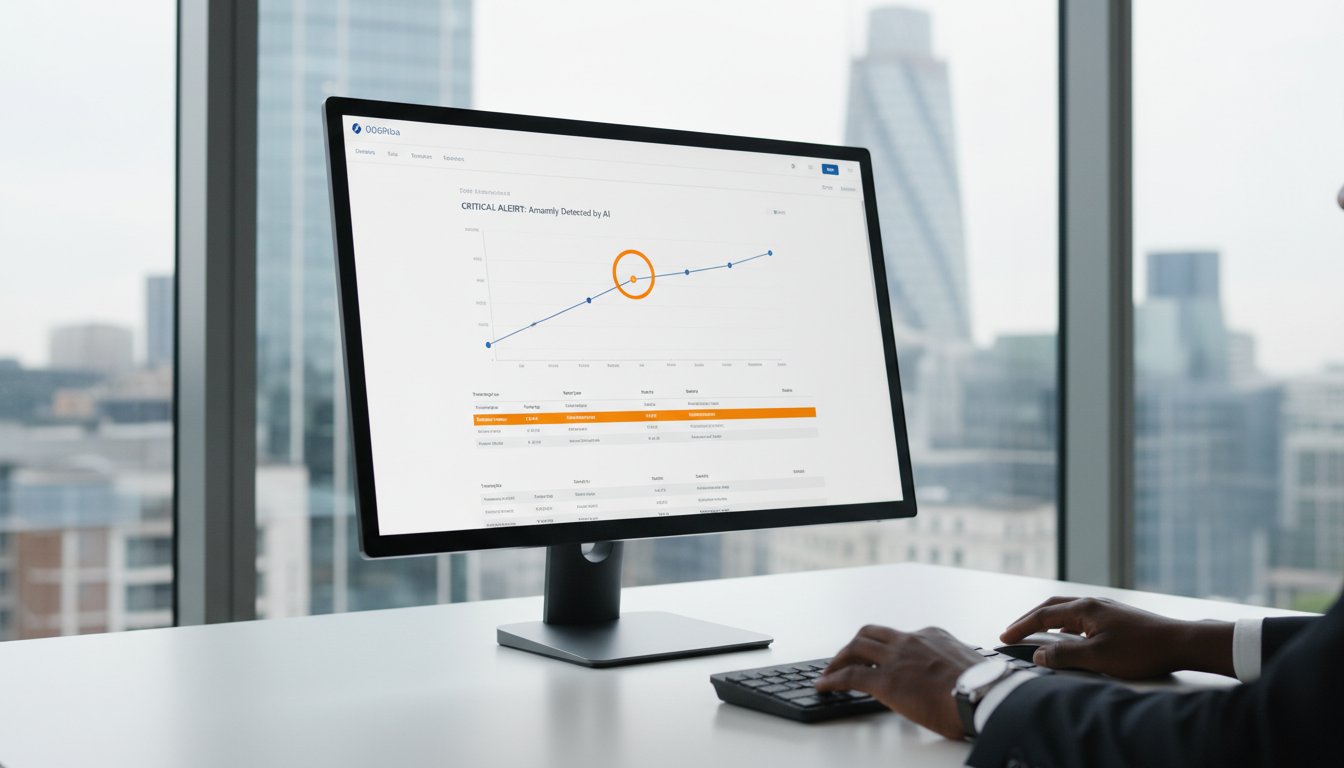
Moderaigent offers a unified platform built on a “Vigilant Guardian” architecture. It combines real-time AE detection with powerful content integrity tools, all managed through a single, intuitive dashboard. Our system is designed to provide automated clarity, seamlessly integrating with your existing pharmacovigilance workflows without disruption.
Beyond Compliance: Gaining Product Insights
A modern AE detection platform does more than just keep you compliant. It transforms a regulatory necessity into a strategic advantage.
- Identify Product Trends: Aggregated AE data can reveal emerging trends, potential product issues, or unmet patient needs long before they appear in traditional feedback channels.
- Understand the “Why”: Sentiment analysis helps you understand the context behind safety signals, providing deeper insights for your R&D and marketing teams.
Implementing Modern Moderation
Transitioning from manual chaos to automated clarity is straightforward. Moderaigent is designed for rapid implementation, allowing you to protect your community and scale with confidence from day one.
Request a Demo of Moderaigent’s AE Detection Platform
Frequently Asked Questions
- What is the most important feature in an AE detection platform?
The most critical feature is a sophisticated, healthcare-trained Natural Language Processing (NLP) engine. It must understand context, slang, and misspellings to accurately identify potential AEs beyond simple keyword matches. - Can AI platforms detect adverse events in multiple languages?
Yes, advanced platforms are designed for global brands and can detect and process adverse events across numerous languages, ensuring comprehensive international monitoring. - How does an AE detection platform integrate with my current safety database?
Top-tier platforms offer flexible integration options, typically through APIs, allowing them to seamlessly feed structured data into your existing pharmacovigilance or safety database. - Is automated AE detection compliant with FDA guidelines?
Yes. Automated detection is a tool to ensure you meet your regulatory obligations. By identifying potential AEs for human review and reporting, these platforms help you adhere to FDA requirements for timely and thorough post-market surveillance. - What is the difference between social listening and AE detection?
Social listening tools track brand mentions and sentiment for marketing purposes. An AE detection platform is a specialized compliance tool built to identify, document, and report potential safety signals according to strict regulatory standards. - Can an AE detection platform also remove spam from my social media?
Yes, a key feature of an integrated platform like Moderaigent is the ability to simultaneously detect AEs while removing spam and harmful content, creating a safe community and a clear path for compliance. - How is pricing for an AE detection platform typically structured?
Pricing models vary but are often based on the volume of data processed (e.g., number of comments or posts per month) and the number of social media profiles being monitored. - How does the platform handle slang or misspellings of medical terms?
The AI and NLP models are specifically trained on vast datasets of health-related conversations, enabling them to recognize phonetic misspellings, typos, and colloquial terms for side effects.